
As Best Personal Trainer Client Management Apps in 2026: US Pricing & Feature Breakdown takes center stage, this opening passage beckons readers with casual formal language style into a world crafted with good knowledge, ensuring a reading experience that is both absorbing and distinctly original.
In the evolving landscape of personal trainer client management apps, staying informed about the latest trends and features is crucial for success. This guide dives deep into the realm of apps designed to enhance the experience for both trainers and clients alike.
Overview of Personal Trainer Client Management Apps
Client management apps have become an integral part of the fitness industry, revolutionizing the way personal trainers interact with their clients and manage their businesses. These apps provide a centralized platform for communication, scheduling, progress tracking, and payment processing, among other functionalities.
Evolution of Client Management Apps in the Fitness Industry
In the past, personal trainers relied on manual methods such as paper records and spreadsheets to track client progress and schedule appointments. With the advancement of technology, specialized apps were developed to streamline these processes and enhance overall efficiency.
Importance of Using Specialized Apps for Personal Trainers
- Centralized Information: Client management apps allow personal trainers to store all client-related information in one place, making it easily accessible and organized.
- Efficient Communication: These apps facilitate seamless communication between trainers and clients through messaging features, reducing the need for back-and-forth emails or calls.
- Automated Scheduling: Personal trainers can schedule sessions, set reminders, and manage availability through the app, saving time and minimizing scheduling conflicts.
Enhancing Client Experience and Streamlining Business Operations
- Personalized Workouts: Trainers can create customized workout plans for each client based on their goals, preferences, and progress, enhancing the overall client experience.
- Progress Tracking: Clients can easily track their progress, view past workout data, and set new goals within the app, promoting accountability and motivation.
- Payment Processing: Client management apps often include payment processing features, allowing trainers to securely receive payments, track invoices, and manage financial transactions efficiently.
Key Features to Look for in 2026
In 2026, personal trainers should consider several essential features when choosing a client management app to streamline their business operations and enhance client experience. Let's explore the latest features available in 2026 and how advancements in technology impact the offerings of these apps.
Enhanced Data Analytics and Reporting
Data analytics and reporting capabilities are crucial for personal trainers to track client progress, measure performance, and make informed decisions. In 2026, client management apps offer advanced analytics tools, customizable reports, and real-time insights to help trainers optimize their training programs and client outcomes.
Integration with Wearable Technology
Personal trainers can now leverage the power of wearable technology to monitor clients' activity levels, sleep patterns, and other health metrics. Client management apps in 2026 seamlessly integrate with wearables like smartwatches and fitness trackers, allowing trainers to access comprehensive health data and tailor workouts based on real-time feedback.
Client Communication and Engagement Tools
Effective communication is key to building strong client relationships and ensuring client satisfaction. In 2026, client management apps offer robust communication and engagement features such as in-app messaging, video calls, and automated reminders. These tools help trainers stay connected with clients, provide timely support, and motivate them to achieve their fitness goals.
AI-Powered Personalization
Artificial intelligence (AI) plays a significant role in enhancing personalization in client management apps. In 2026, AI algorithms analyze client data, preferences, and behaviors to deliver personalized workout plans, nutrition recommendations, and goal setting strategies. This level of customization helps trainers offer tailored fitness solutions that meet individual client needs.
Secure Data Storage and Privacy Compliance
With increasing concerns around data security and privacy, personal trainers must prioritize apps that ensure secure data storage and compliance with regulations like GDPR. In 2026, client management apps offer encrypted data storage, two-factor authentication, and privacy features to protect sensitive client information and build trust with clients.
Pricing Models and Trends
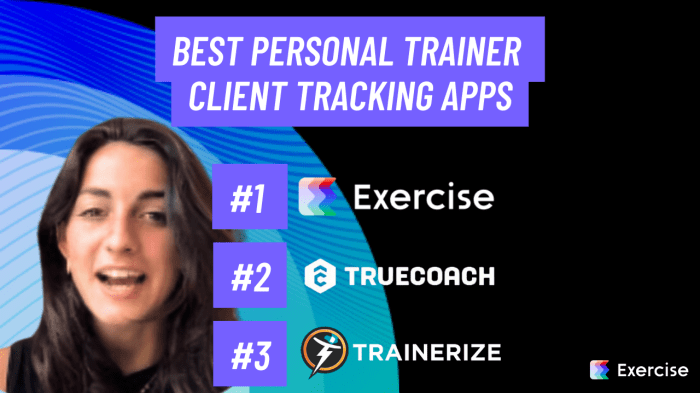
In the realm of personal trainer client management apps, pricing plays a crucial role in determining user adoption and satisfaction. Let's delve into the different pricing models adopted by these apps, compare popular pricing structures in the US market, and explore the trends influencing pricing strategies.
Subscription-based Pricing
Subscription-based pricing is a common model where users pay a recurring fee at regular intervals to access the app's features. This model offers flexibility and often includes tiered pricing plans based on the level of service or number of clients managed.
- Popular apps like Trainerize and TrueCoach offer subscription-based pricing with monthly or yearly plans.
- Higher-tier plans may include additional features such as marketing tools, client progress tracking, or custom branding options.
- Subscription-based pricing can provide a steady revenue stream for app developers and ensure ongoing support and updates for users.
Pay-per-Client Pricing
Some personal trainer client management apps follow a pay-per-client pricing model, where trainers are charged a fee for each client they manage through the app. This model is suitable for trainers with a smaller client base or those looking for a more cost-effective option.
- Apps like My PT Hub and FitSW offer pay-per-client pricing, allowing trainers to pay only for the clients they actively work with.
- This pricing model can be beneficial for trainers who are just starting or have a limited number of clients, as they only pay for what they use.
- However, it may become more expensive for trainers with a growing client base over time.
Freemium Models
Freemium models combine free basic features with premium paid features, enticing users to upgrade for access to advanced functionalities. This model allows users to experience the app's core features before committing to a paid plan.
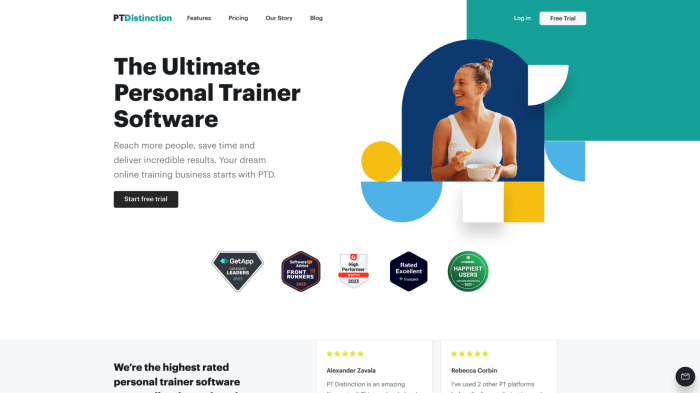
- Apps like PT Distinction and Exercise.com offer freemium models, where users can access essential features for free but need to upgrade for more advanced capabilities.
- Freemium models can attract a wide user base, but app developers must strike a balance between free and paid features to drive conversions.
- Users may feel limited by the free version and choose to upgrade for a better user experience.
Security and Data Privacy Considerations
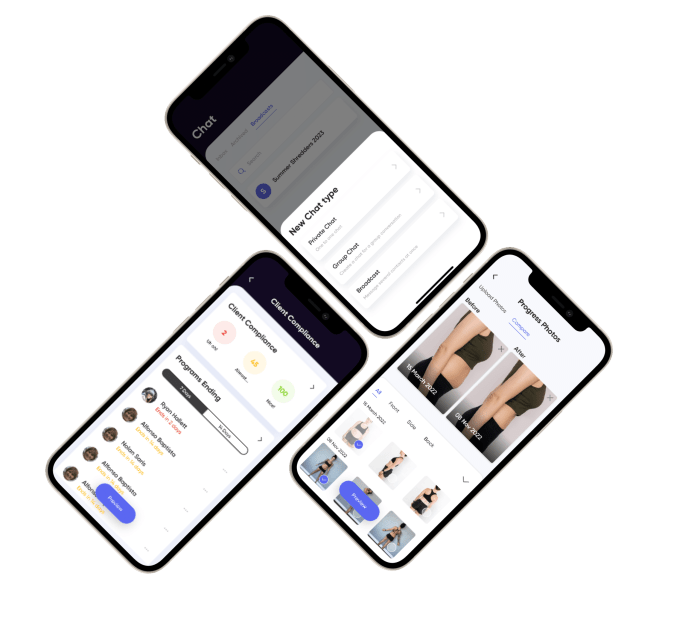
In the realm of personal trainer client management apps, security and data privacy are paramount concerns. These apps handle sensitive client information, including personal details, health data, and payment information, making robust security measures essential to protect this data from unauthorized access and breaches.To safeguard sensitive client information, these apps typically employ encryption techniques to secure data both during transmission and storage.
Encryption ensures that data is converted into a code that can only be accessed with the right decryption key, adding a layer of protection against potential cyber threats. Additionally, secure login procedures, multi-factor authentication, and regular security updates are commonly implemented to enhance overall data security.
Emerging Trends in Data Protection
- Integration of biometric authentication: Some personal trainer client management apps are starting to incorporate biometric authentication methods, such as fingerprint or facial recognition, to provide an extra layer of security beyond traditional password protection.
- Blockchain technology for data integrity: The use of blockchain technology is emerging as a way to ensure data integrity and prevent tampering or unauthorized modifications to client information. Blockchain creates a secure and transparent record of transactions, enhancing trust and security in client management apps.
- Compliance with data protection regulations: With the increasing focus on data privacy regulations like GDPR and CCPA, personal trainer client management apps are prioritizing compliance with these standards to protect client data and avoid legal consequences related to data breaches.
Final Summary
In conclusion, navigating the realm of personal trainer client management apps in 2026 requires a keen eye for innovation and efficiency. With a diverse range of features and pricing models available, trainers have a plethora of options to choose from to elevate their services and streamline their operations.
Stay informed, stay ahead, and watch your fitness business thrive in the ever-evolving digital landscape.
Quick FAQs
What are the key features to look for in a personal trainer client management app?
Key features to consider include client scheduling, progress tracking, payment processing, and communication tools. These features help streamline operations and enhance client experience.
How do pricing models differ among personal trainer client management apps in the US market?
Pricing models vary from subscription-based to one-time purchases or freemium models with additional paid features. Trainers should evaluate their needs and budget to choose the most suitable option.
What security measures should personal trainer client management apps have in place to protect client data?
Apps should have secure data encryption, regular data backups, and compliance with data protection regulations to ensure client information is safeguarded. Trainers should prioritize apps with robust security measures.